From Symbolic Presence to Real Power: 3-Day Conference Gathers Scholars and Practitioners to Rethink Gender, Peace, and Security: Resistance and Resilience
By Jana Krause, Louise Olsson, and Debjani Banerjee
Gender and Conflict Dynamics
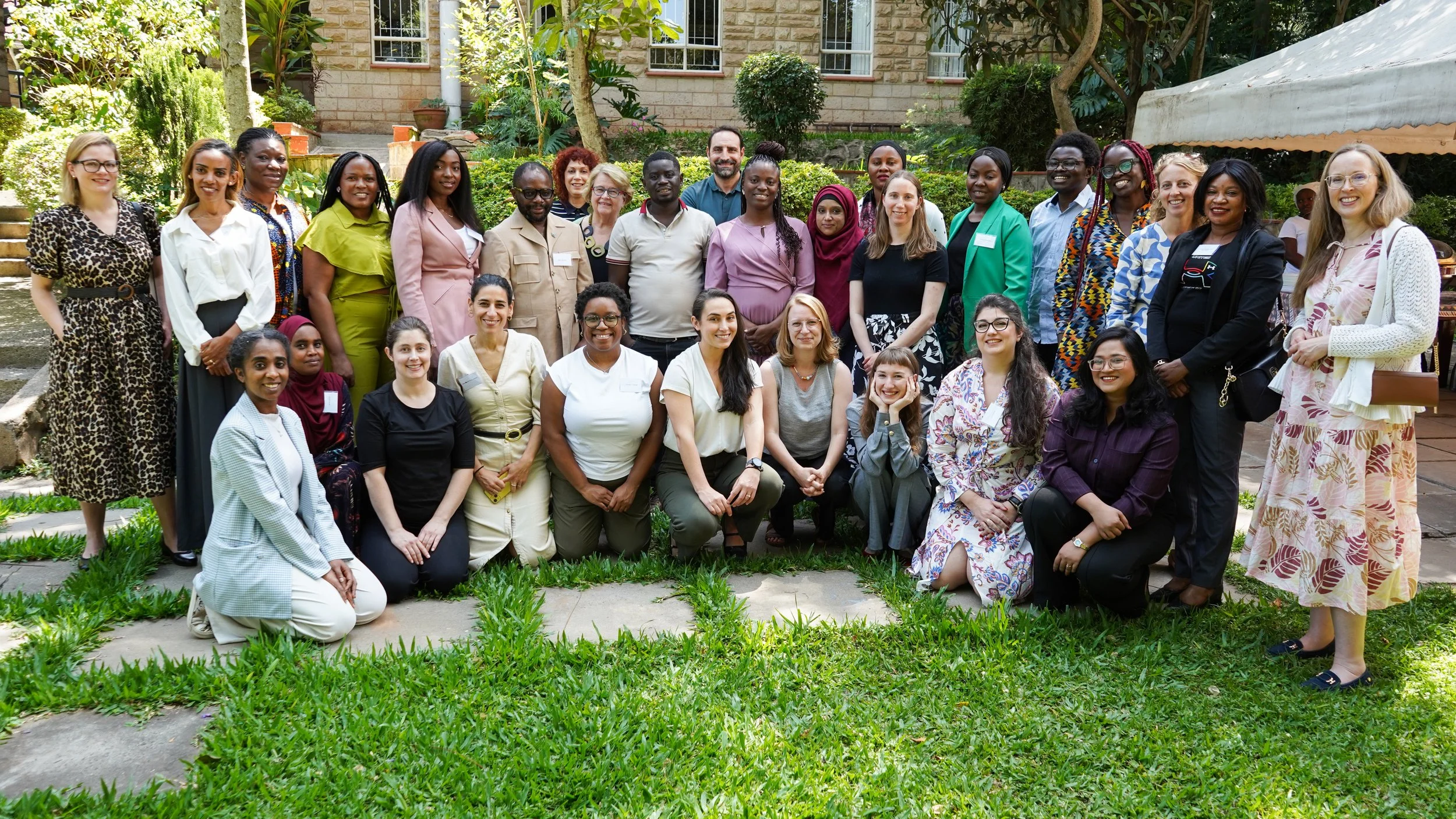
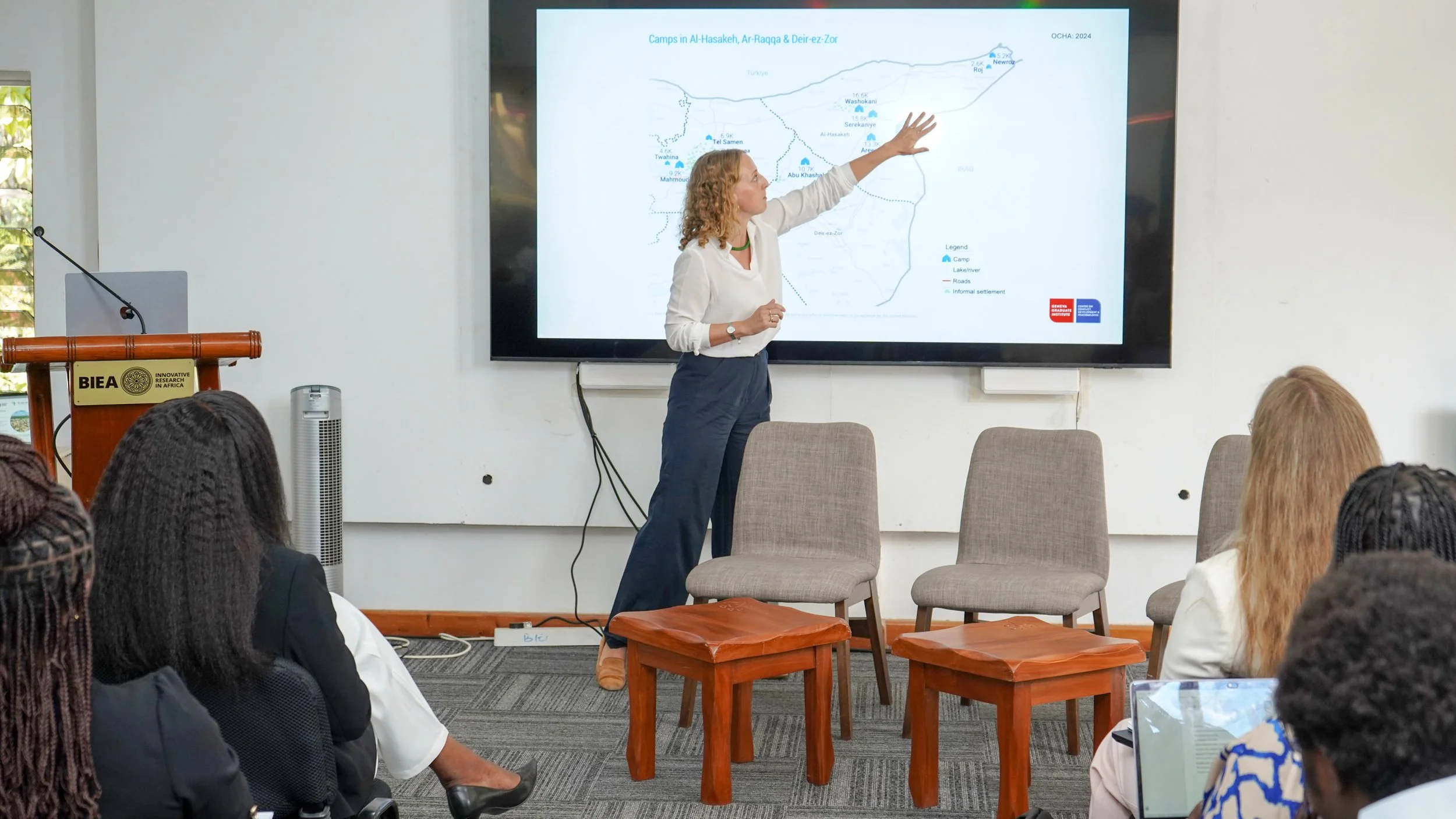
The first panel set the scene by identifying factors that affect how gender enters peacebuilding. Anna Marie Obermeier discussed the inclusion of gender provisions in ceasefire agreements, presenting findings from a novel global dataset. Caitlin Procter revealed the inadequacy of reintegration frameworks for Syrian and Iraqi women leaving the Al Hol displacement camp, where families who had lived in Islamic State (IS)-controlled territory at the time of its defeat in 2019 were detained. Taylor Vincent placed gender-equality reforms in a larger political reform context, finding that post-conflict women’s rights gains appear to be driven less by civil society activism than by elite competition.
Climate Change and Peacebuilding
The final panel of the day focused on women’s peacebuilding in connection with climate change. Salome Owuondademonstrated how Kenyan women mediate drought-related conflict via locally embedded knowledge systems and social ties, showing why it is important to reframe women as agents of change and to adopt gender policies. Suzanne Amélie Babongen Olemb contended that durable environmental governance in Central Africa requires the explicit valuation of women’s local expertise, recognition of their customary authority, and the centering of gender justice within policy frameworks. María Martín de Almagro showed, in the DRC context, that gendered labor, intimate relations, and land struggles structure resilience, such that climate and security interventions must be conceptualized as relational and gendered processes rooted in everyday survival strategies. Rhodah Njeri examined the gendered impacts of climate-induced conflict in Kenya’s arid lands, arguing that sustainable peace requires addressing the unique vulnerabilities of women and youth while formalizing their active but marginalized roles in peacebuilding processes.
Everyday and Relational Peacebuilding
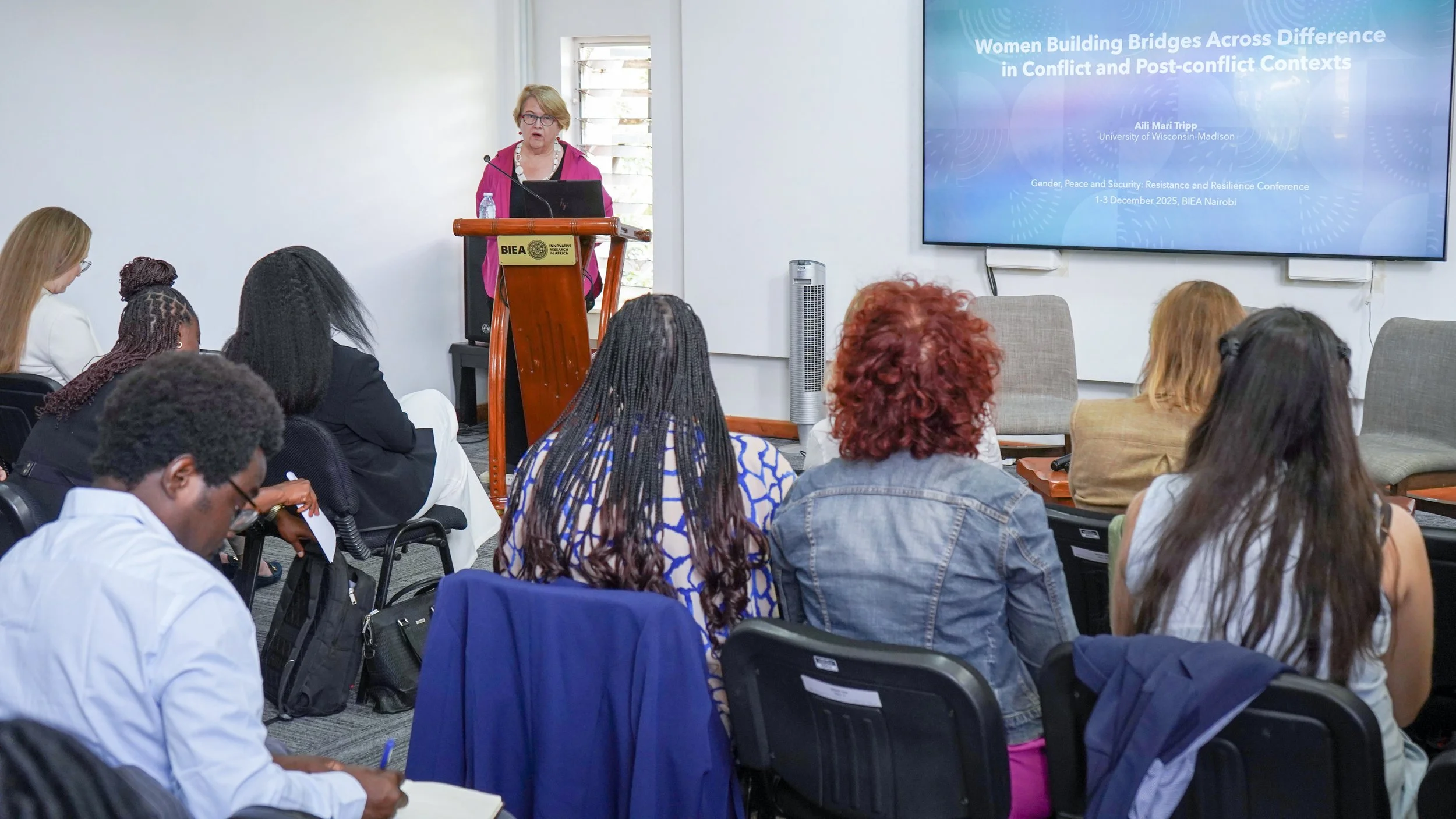
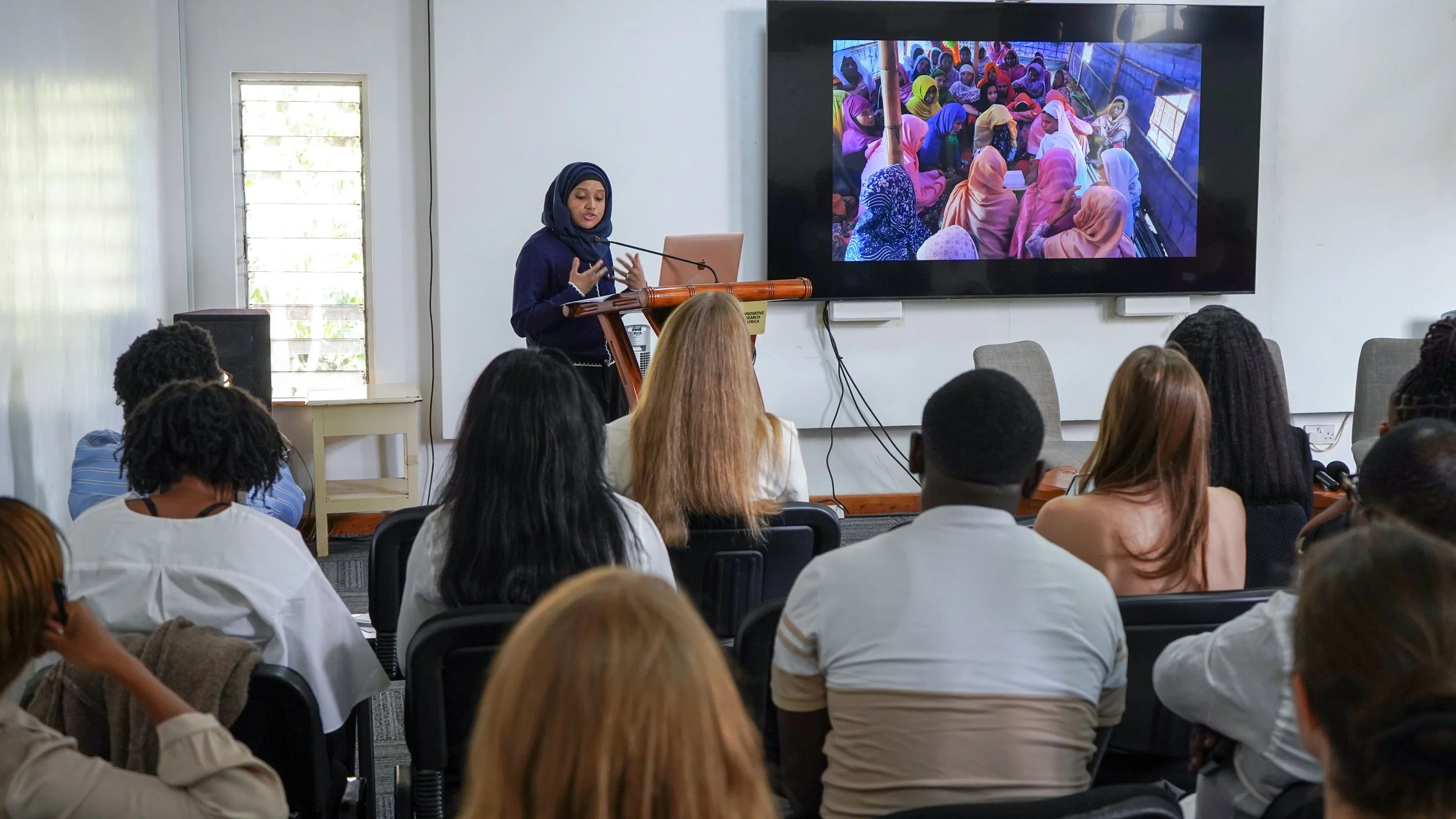
The following panel emphasized that sustainable peace is rooted in the “ordinary” and relational labor of women. Oluchi Deborah Enapeh used Feminist Peace Theory to demonstrate how women-led organizations in Nigeria sustain peace through community trust-building, arguing that these efforts must be integrated into formal policy rather than viewed as merely supplementary. Farhana Afrin Rahman highlighted the “quiet peacebuilding” of Rohingya women in the refugee camps of Bangladesh through their self-organized taleem groups, which provide moral authority, conflict management, and care-based stability that remain unrecognized by humanitarian frameworks. Placing such efforts into a larger political context, Aili Mari Tripp explored how women in Liberia and other countries build coalitions across ethnic and religious divides, leveraging their exclusion to gain access to peace processes and conflict-prevention efforts.
Studying Gender in Resilience Building
The second day began with a panel on how we can study gender in resilience building. Theodora Ismene Gizelis, Lydia Karga, and Louise Olsson highlighted how gendered trends can assist in understanding post-war development and warned against overreliance on composite indices for measuring gender equality in peacebuilding processes. Drawing on fieldwork in South Sudan, Jana Krause demonstrated the unintended consequences of resilience-building interventions, which can disempower women and enable further violence. Moving beyond technocratic metrics, Caroline Brandt and Laura Huber showed that peacebuilding’s most consequential effects are often found in everyday welfare, social relations, and dignity—human security-related outcomes routinely missed by security-focused evaluations.
Community Peacebuilding
Building on these trends in post-war development, the next panel highlighted the importance of community peacebuilding. Nengak Daniel Gondyi documented how women in Maiduguri resist dispossession through collective savings schemes, inheritance litigation, and small-scale land investments, reframing land contests as forms of protective civilian agency. Mawa Abdelbagi Osman Mohamed’s examination of Darfur demonstrated that conflict generates adaptive collective action as a survival strategy while concurrently exacerbating social fragmentation and exclusion. Hlengiwe Ndlovu conceptualized South African women’s religious collectives (OoMama boManyano) as intergenerational sites of resilience in which faith and mutual solidarity sustain communities in the face of structural inequality. Rahma Abikar and Ashley Jackson foregrounded Somali women’s contributions to civilian self-protection via locally embedded social networks, arguing that durable protection mechanisms are those that align with existing social structures rather than those delivered as externally imposed projects.
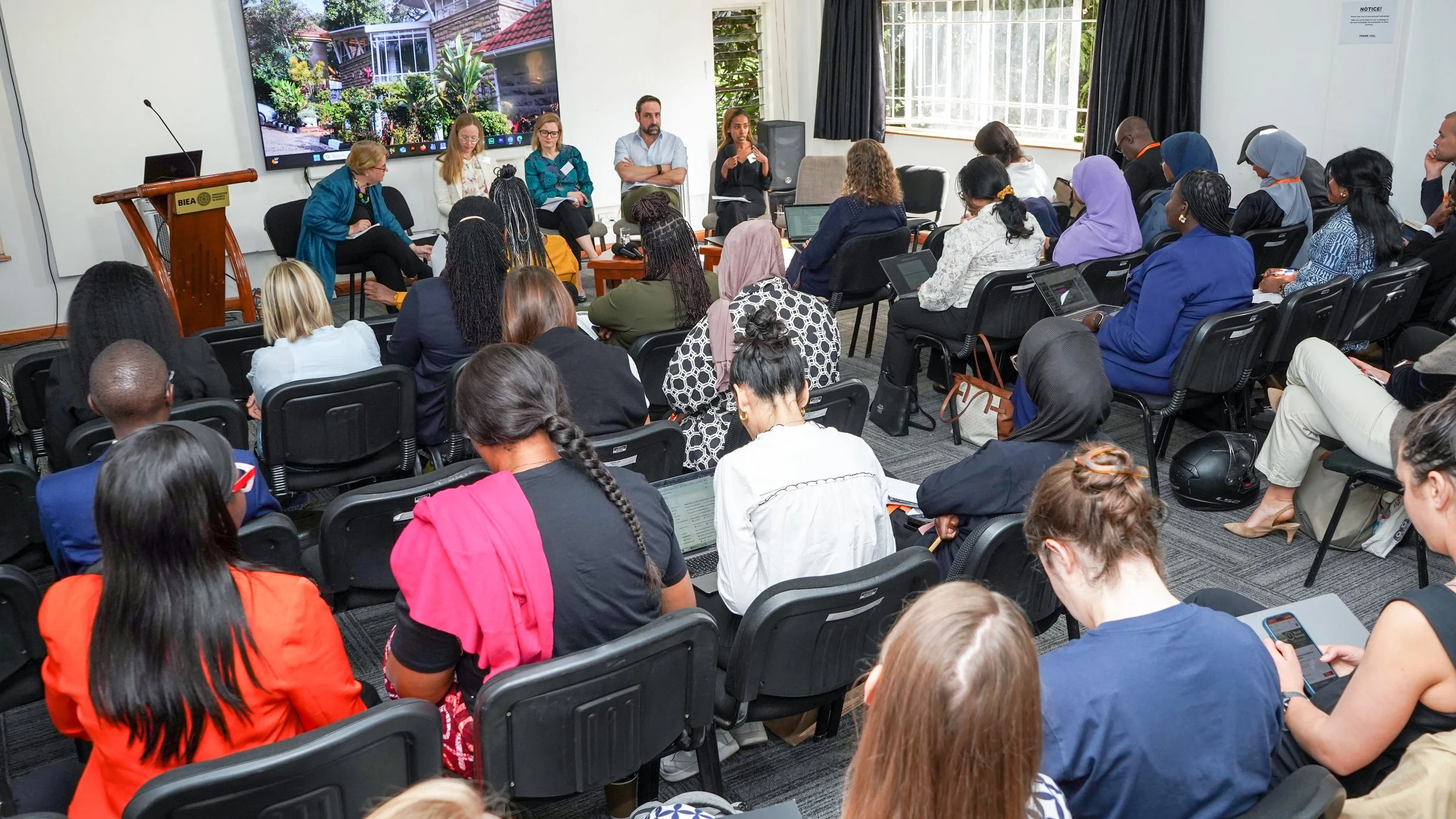
In December 2025, scholars and practitioners gathered at the British Institute in Eastern Africa (BIEA) in Nairobi to rethink gender, peace, and security at a time of radical international change. Organized by Jana Krause and Louise Olsson and funded by the ResilienceBuilding project at the University of Oslo (UiO), the conference provided space for participants to discuss research findings on how to move beyond the symbolic participation of women in peacebuilding and how to ensure that peace processes better consider women’s security and resource needs during reconstruction.Across panels—from ceasefire design to grassroots mediation, climate resilience, and local peacebuilding—research demonstrated the rich and innovative forms of women’s agency for peace but also underlined core obstacles: a lack of influence to generate more gender-equality outcomes, stemming from patriarchal norms and elite control.
Mobilization and Resistance
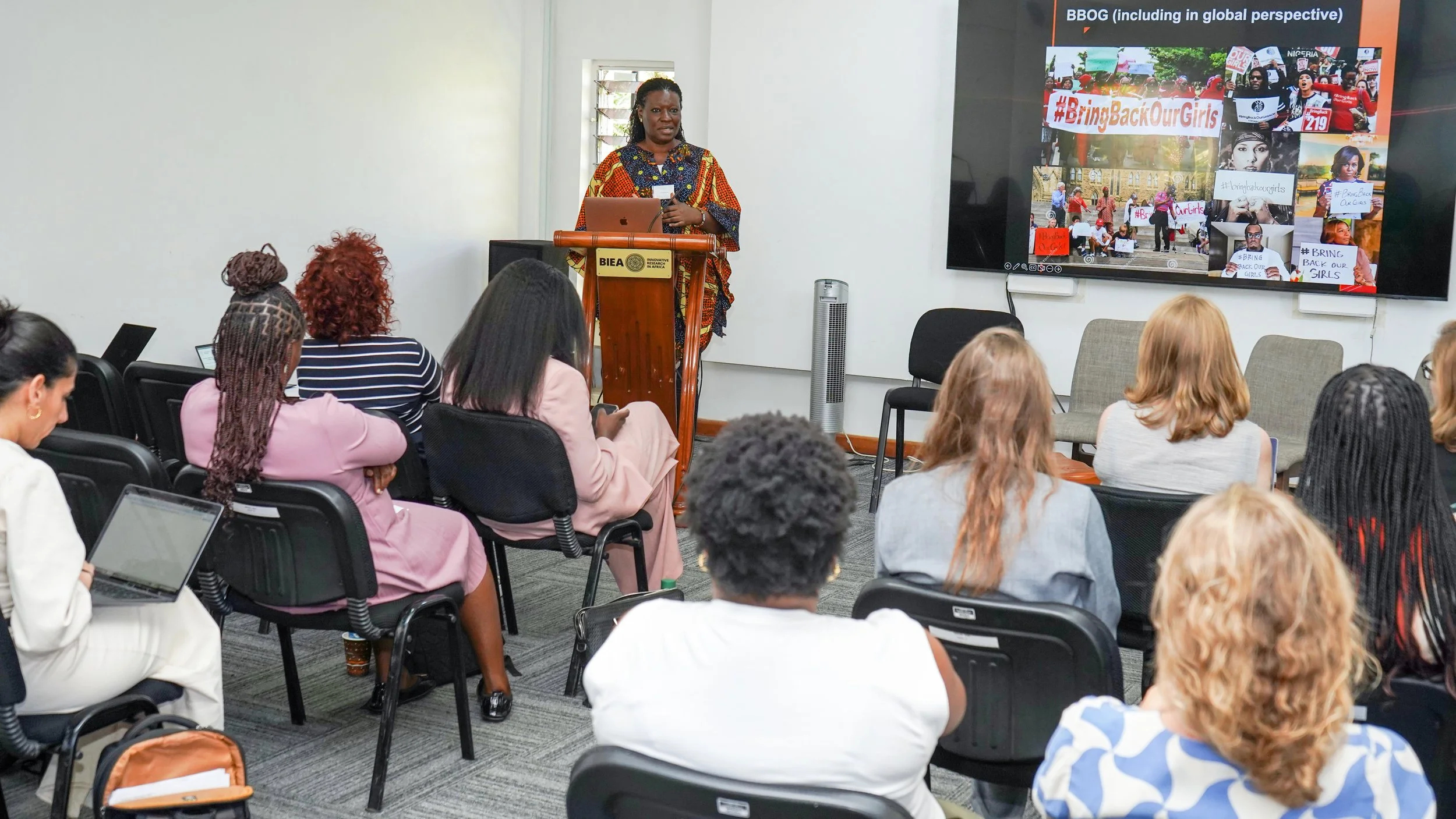
The next panel focused on understanding women’s mobilization and resistance. Titilope Ajayi contended that the Bring Back Our Girls (BBOG) movement in Nigeria should be conceptualized as a form of resistance-as-resilience grounded in African feminist praxis, rather than as a coping model typical of policy discourse. Focusing on Ethiopia, Hilary Matfessargued that women’s mass mobilization within the Tigray Defense Forces generated durable institutional memory, social networks, and feminist organizing practices that subsequently enabled meaningful female participation, notwithstanding persistent patriarchal opposition. Karolina Nugumanova’s study of Russian women’s anti-war activism concluded that sustainable peace necessitates recognition and material support for women’s preexisting peace infrastructures, while avoiding the romanticization of resilience. Finally, Ali Bitenga Alexandre, together with Gudrun Østby and Roos van der Haer, posited that educational continuity in eastern DRC does not stem from the protective capacity of any single actor; rather, it arises from continuous, negotiated interactions across multiple authority levels, producing a form of fragile, relational, and gendered systemic resilience.
Politics of Peace Processes
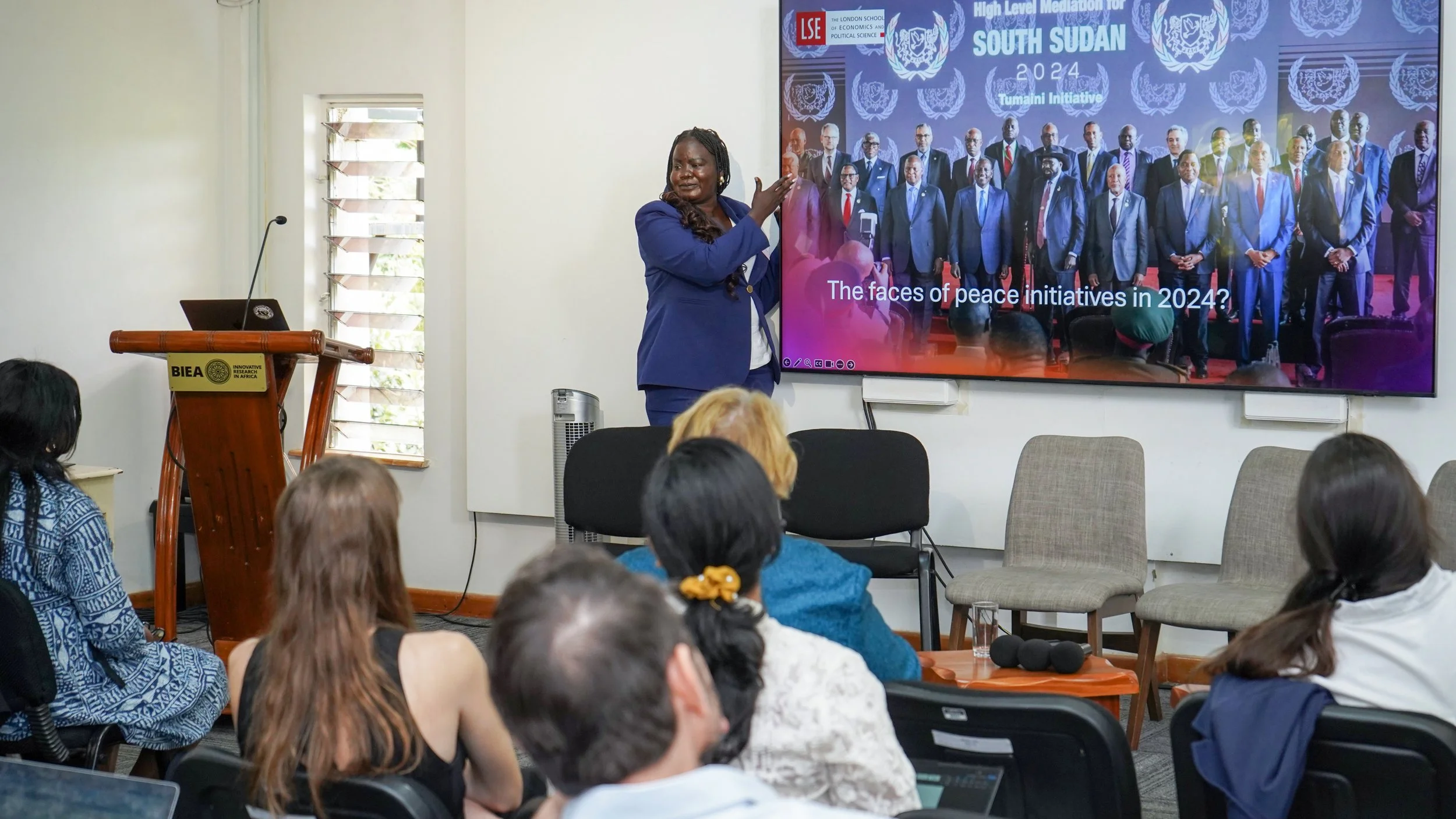
The final panel focused on the politics of peace processes. Kuyang Harriet Logo Mulukwat argued that South Sudan’s peace processes and transitional justice (TJ) mechanisms exhibit systemic deficiencies that perpetuate harm rather than redress past abuses. Nyachangkuoth Rambang Tai similarly observed that, despite increased recognition of women’s roles and the formal adoption of a 35% affirmative action quota, women’s participation in South Sudan’s peace process remains tokenistic and constrained by patriarchal norms, pervasive insecurity, weak political will, and the concentration of power among elites. Louise Khabure analyzed the political positions of several women in leadership during Kenya’s 2023–2024 maandamano protests, demonstrating that political behavior and leadership choices are mediated by configurations of power, vested interests, institutional incentives, and individual convictions, rather than by gender identity per se.
Research-Policy Dialogue
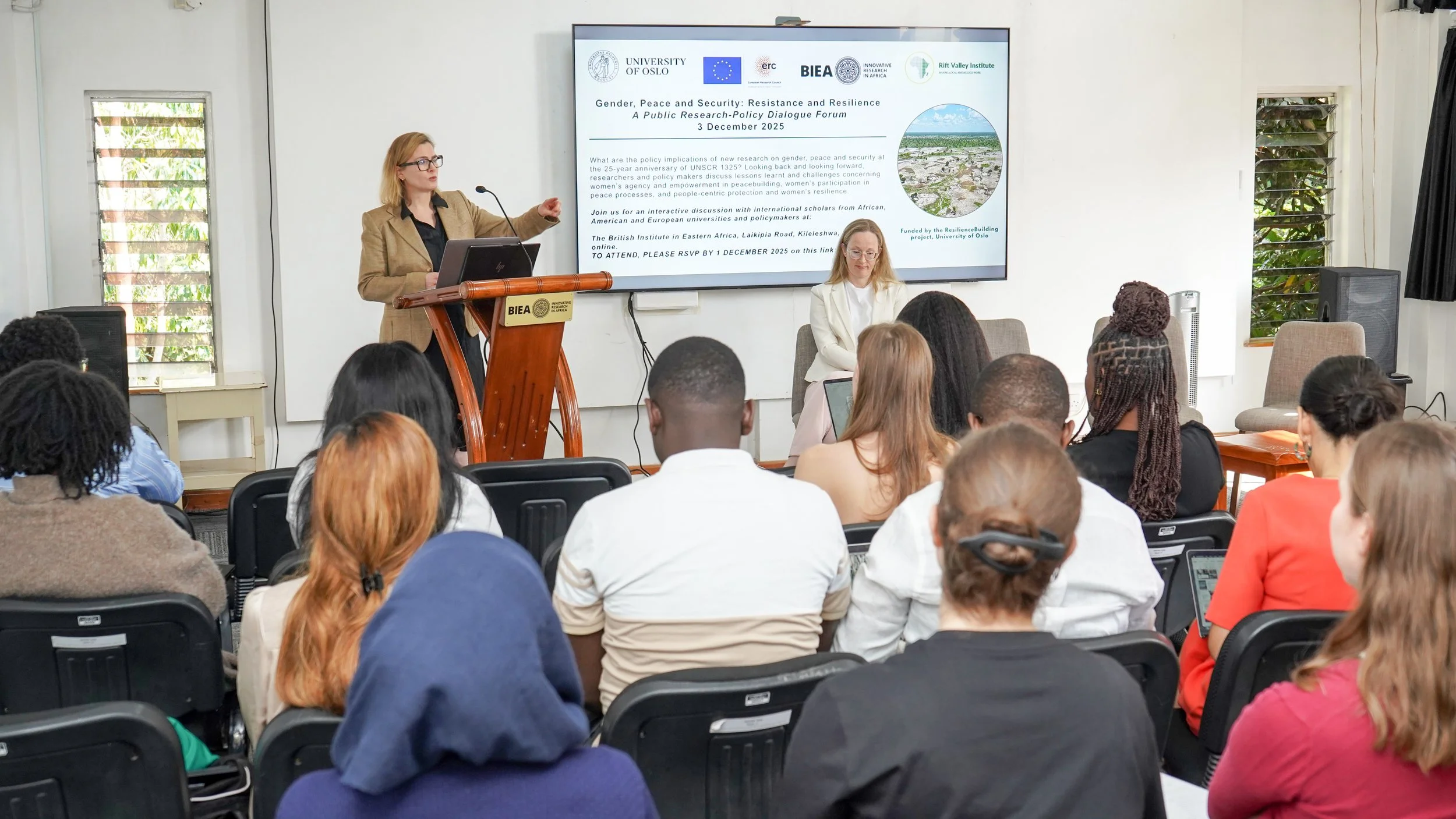
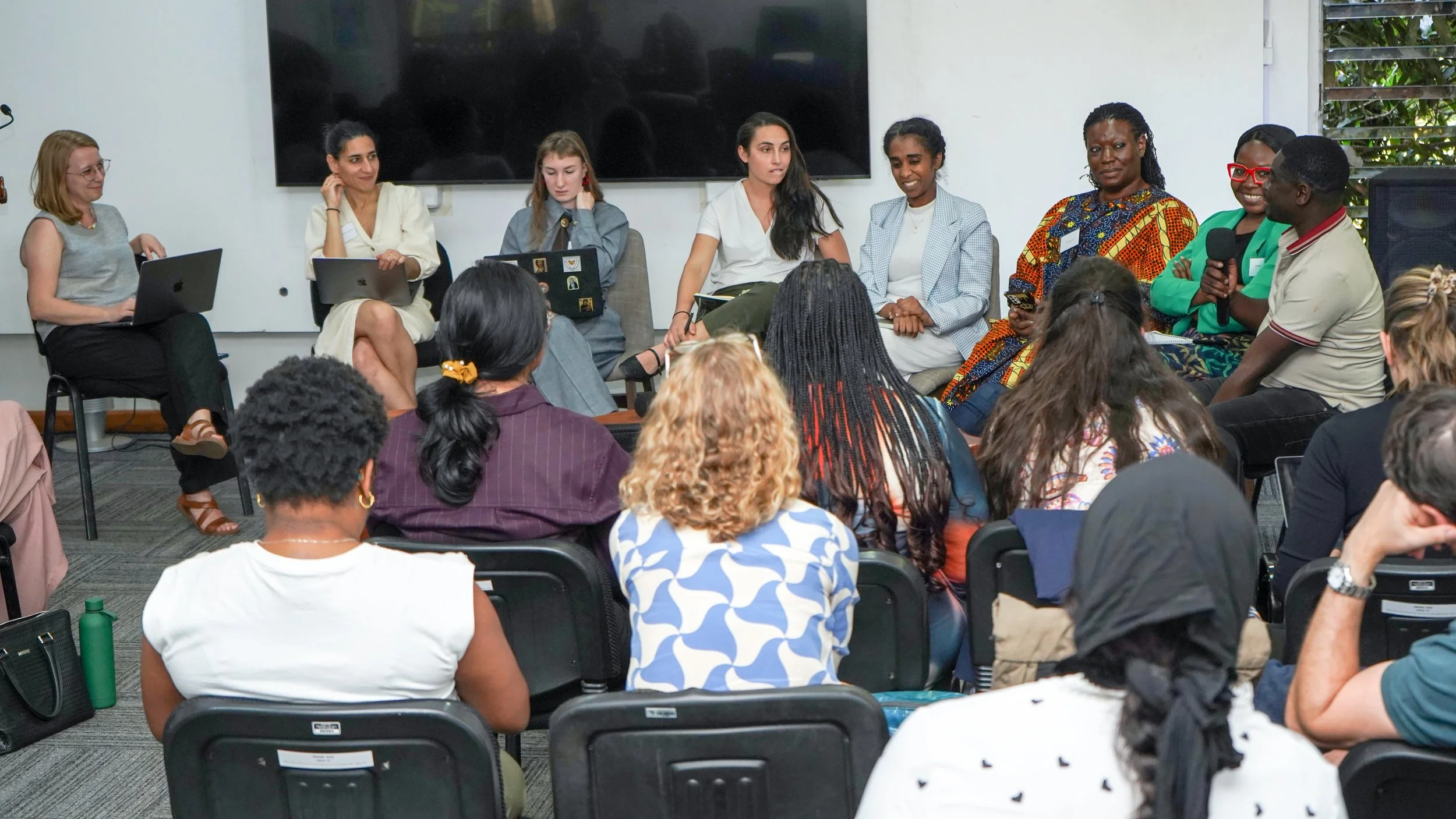
A public research-policy dialogue forum concluded the three-day conference. Louise Olsson asked for input on the CRAF’d Women’s Empowerment in Peace Process data project and highlighted policy-research collaboration in promoting agency and reform in peacebuilding. Jana Krause examined the proliferation of local peace processes, especially in South Sudan, and sketched opportunities as well as challenges for women’s participation and empowerment. Hiwot Cherie and Moncef Kartas underscored the crucial role of women’s peace committees, community paralegals, survivor-centered services, and economic cooperatives supported by UNDP’s Peace Support Facility in fostering locally anchored protection ecosystems that address communal violence and gender-based insecurity as relational and systemic challenges. Rosemary Kabaki stressed that even though local peace processes in South Sudan appear to hold the country together, women’s participation in peacemaking is never guaranteed. David Nyuol Vincent and Minagano Kape further spoke about the challenges of including women in local peace negotiations, illustrating the lack of authority and influence that women face, whether within their communities or in political leadership positions in South Sudan. All speakers underscored contradictions between global WPS rhetoric and the lived realities of women peacebuilders while also recognizing the many threats to the WPS agenda in an increasingly conflict-affected world.
Conclusion